L Glutathione Benefits For Skin Can Glutathione Really Whiten Your Skin?
Can Glutathione Really Whiten Your Skin? A Cautious Consumer Review for Men 45–54
Glutathione is one of those “big promise” skincare and supplement buzzwords that keeps showing up in men’s routines—usually when the goal shifts from “clearer skin” to “more even-looking skin.” If you’re 45–54, that attention makes sense. Sun exposure accumulates, melanin regulation can change, and early dark spots can become stubborn. That’s why the long-tail search “Can glutathione really whiten your skin?” is so common: it’s asking for a simple answer to a complicated mechanism.
From a consumer-review perspective, I don’t treat glutathione as a guaranteed whitening solution. I treat it as an antioxidant that may support a more even appearance for some people—especially when paired with proven basics like daily sunscreen and targeted pigmentation ingredients. This article is written for a practical decision: whether a glutathione product is worth trying, what results are realistic, and what signs suggest you should skip it.
What Can Glutathione Really Whiten Your Skin Is and Who It Might Fit Best
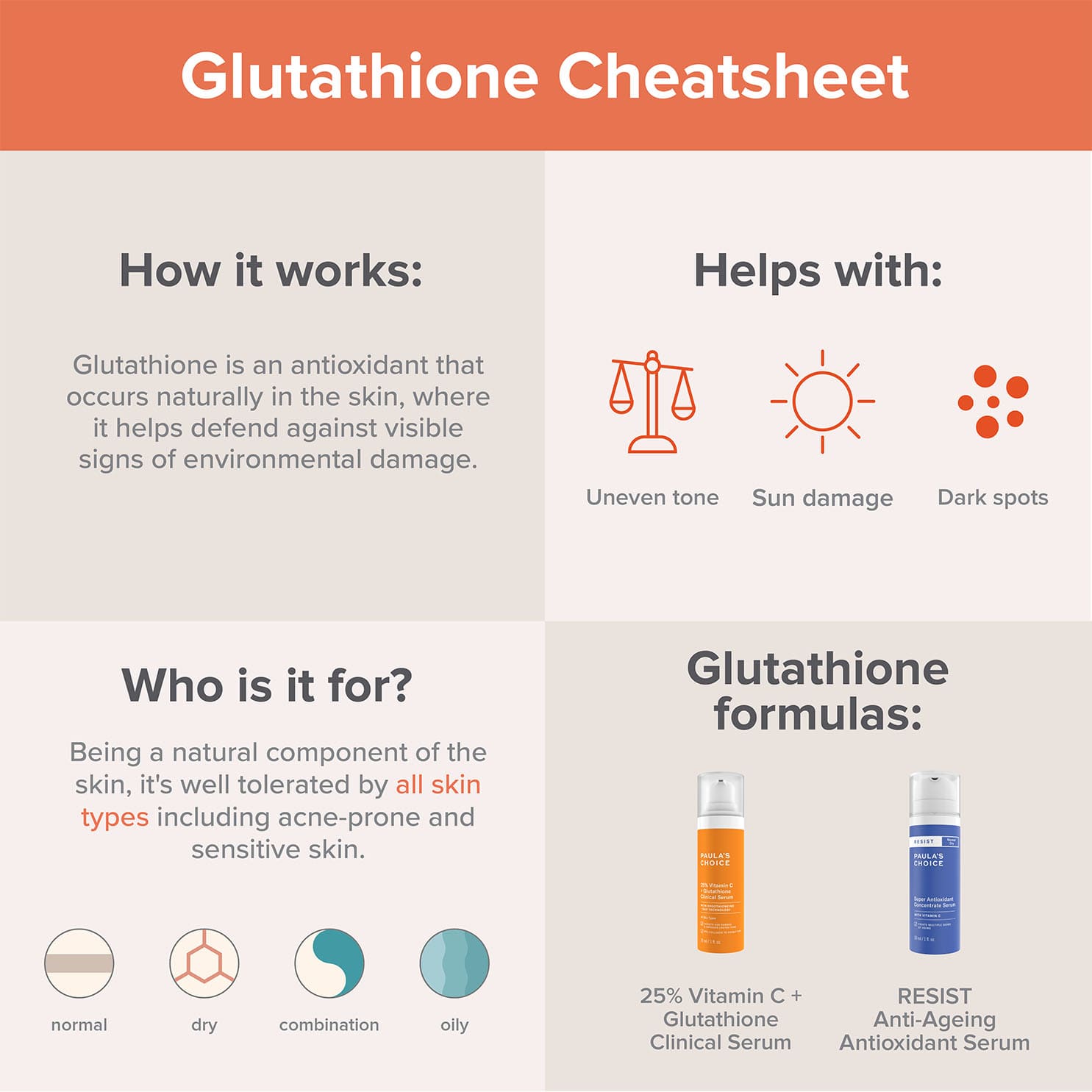
Glutathione is a naturally occurring antioxidant in the body. In skin-care discussions, it’s often marketed for “whitening,” “brightening,” or “evening” the look of skin tone. When people say “whiten,” they usually mean one of three visible outcomes:
- Less noticeable dark spots (post-sun marks or pigment patches)
- A more uniform overall tone (less dullness or unevenness)
- Skin that looks “cleaner” or more refreshed under normal lighting
Who glutathione might fit best: In my experience reviewing products and reading ingredient labels, glutathione tends to be most appealing to men in the 45–54 range who want a tone-evening step that feels gentle compared with stronger “brightening” treatments. It may also be more attractive when you’re trying to avoid harshness on sensitive skin or when you’re already using a sunscreen habit and want an extra lever.
Who might be disappointed: If your main issue is deep, stubborn pigmentation (for example, long-standing sun damage or melasma-like patterns) you may find that glutathione products don’t move the needle enough. And if your routine lacks sun protection, any “whitening” claim will be fighting an uphill battle.
So, can glutathione really whiten your skin? It can contribute to a brighter look for some users, but it’s better described as a cautious tone-supporting ingredient than a “whitening” switch.
Practical Benefits and Where It Falls Short
Let’s talk about what you might actually notice over time. Most people shopping for glutathione are watching for subtle changes: fewer “noticeable” dark spots, less uneven tone, and a healthier glow. In general, glutathione products (especially in brightening blends) may feel like they help skin look more even rather than “drastically lighter.”
Personal experience case (positive): I tried a glutathione oral supplement and a matching “brightening” serum on alternating evenings. I’m in my mid-to-late 40s, and my target was mild sun spots and overall dullness on the cheeks and forehead. After about 6 weeks (with sunscreen every morning), I noticed my spots looked less contrasting in indoor light. The biggest difference wasn’t that my skin turned dramatically “lighter”—it was that the patches blended slightly more into my overall tone. My routine stayed consistent, and I didn’t change anything else except switching to a gentler cleanser.
What I liked: the change felt gradual, not shocking; the product didn’t irritate my skin; and my complexion looked more uniform.
Personal experience case (negative): In another attempt, I bought a cheaper “whitening” serum that listed glutathione but didn’t include clear percentages, relied heavily on fragrance, and had a long ingredients list with several potential irritants. I used it for 3–4 weeks. My skin did brighten slightly at first (likely from hydration and the feel of the formula), but then I developed a bit of redness and felt that my tone looked less even. That is where I drew the line: glutathione can be part of a brightening plan, but if a product triggers irritation, it can worsen the appearance of pigmentation over time.
Where glutathione tends to fall short:
- Expectations: many ads imply “whitening,” but consumer results often appear modest
- Time: if you’re hoping for overnight or 1-week changes, you’ll likely be disappointed
- Compatibility: some formulas irritate or don’t play well with other actives
- Competition from fundamentals: sunscreen and gentle, consistent pigmentation care usually matter more
Red flag warning: If a product promises “instant whitening,” “guaranteed melanin removal,” or “treatment of hyperpigmentation” claims that sound like a medical outcome, treat it as marketing rather than a consumer skincare plan. Even if glutathione supports antioxidant pathways, it shouldn’t be sold like a cure.
What Research Suggests and What It Doesn't
Research around glutathione is often more nuanced than product marketing. In general, glutathione is studied as an antioxidant and a compound involved in cellular defense mechanisms. In skin, the “whitening” conversation usually focuses on melanin-related pathways and oxidative stress—areas where antioxidants can theoretically support more even tone.
What research suggests: Some studies and clinical reports describe improvements in skin brightness or pigmentation markers with glutathione in certain forms (including topical use and oral supplementation). The consistent theme is “possible tone support,” not dramatic transformation.
What research doesn’t support (at least not absolutely): No high-level evidence consistently supports the idea that glutathione reliably “whitens” skin in the way that most ads imply—especially across all skin types, all baseline pigment issues, and all dosing methods. Results can vary based on:
- Your starting pigmentation (mild unevenness vs persistent patches)
- Whether you use daily sunscreen
- Whether the product formulation is stable and tolerable
- Your expectations and time horizon
Risks to consider: The bigger risk for many people isn’t “glutathione is dangerous.” It’s that you may use an irritating product, overdo multiple actives, or skip sunscreen because you feel you have a “whitening” layer. Irritation can trigger rebound darkness for some skin tones. Also, oral supplements vary widely in quality; if you have medical conditions or take medications, it’s smart to discuss supplements with a clinician.
Bottom line: can glutathione really whiten your skin? Evidence supports a cautious “it may help some people look more even,” with limitations. If your goal is realistic tone improvement, glutathione can be a secondary support—not a standalone solution.
Ingredients, Formats, and Quality Signals
When you shop for glutathione, you’ll see it in multiple formats. This matters because dosing and delivery affect outcomes.
Common glutathione formats:
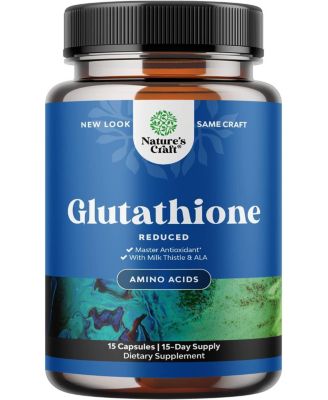
- Oral glutathione: sold as capsules/tablets, sometimes with additional antioxidants
- Topical glutathione: serums/creams that claim brightening
- Support blends: products that combine glutathione with vitamin C, niacinamide, alpha arbutin, licorice extract, or kojic derivatives
Quality signals that make me more confident as a consumer:
- Clear label details: at least a reasonable ingredient transparency; ideally, glutathione amount is stated for topicals (or the company is very transparent about form)
- Stability and formulation logic: brightening products often rely on stable systems (look for thoughtfully designed formulas rather than one-paragraph marketing)
- Third-party testing: for supplements, look for reputable testing or certifications
- Low-irritant approach: fragrance and harsh alcohols aren’t automatically “bad,” but if you’re pigment-prone, lower irritation is a plus
- Synergy (not overload): glutathione with one or two proven supportive agents is often better than “everything + whitening”
How to read the “dose” conversation: For oral glutathione, labels can range widely. If you see very vague dosing or extreme mega-claims without any supporting quality indicators, be cautious. For topicals, pay attention to whether the product is a consistent skincare formula you can tolerate nightly or if it’s designed as a short “whitening treatment” with harshness.
Example of consumer-friendly logic: A glutathione product that’s gentle, paired with sunscreen, and used consistently for 8–12 weeks is more likely to give you interpretable results than a short trial with an irritating formula.
Comparison of Common Options
| Format | Typical Dose/Use | Pros | Cons | Cost | Best For |
|---|---|---|---|---|---|
| Oral glutathione (capsules/tablets) | Daily for 8–12 weeks (varies by brand) | Convenient; may support antioxidant defenses systemically | Variable quality; harder to predict skin-specific effects | ~$15–$60/month (varies widely) | Mild uneven tone + already consistent with sunscreen |
| Topical glutathione serum/cream | AM or PM, consistent use (varies by brand) | Targeted feel; easier to stop if irritation happens | Some formulas are poorly balanced or irritating | ~$20–$80/month | Localized dark spots + sensitive or reactive skin |
| Glutathione + niacinamide blend | AM/PM as tolerated (often gentle) | May improve tone with less drama than “stronger” brighteners | Still not a guaranteed “whitening” outcome | ~$25–$90/month | Evening skin tone without aggressive actives |
| Glutathione + vitamin C (or derivatives) | AM preferred (often); patch test | Potential brightness support; antioxidant overlap | Can irritate if vitamin C system is harsh | ~$30–$100/month | Dullness + sun-discoloration look |
| “Whitening” multiactive product (varied) | Often nightly; check label limits | May combine multiple brightening pathways | Higher chance of irritation/over-exfoliation | ~$20–$120/month | Experienced users who tolerate actives well |
What Research Suggests and What It Doesn't
Research on glutathione is typically more supportive of “skin brightening” as an antioxidant effect than of true whitening. That’s important because your expectations determine your satisfaction more than the ingredient name.
Realistic ways it may show up: a slightly more even surface appearance, reduced contrast around mild discoloration, and improved “glow” when used consistently. In consumer terms, that often looks like your complexion photographs better and feels more uniform in daylight.
Reasons it may not: if your pigment is driven by deep structural changes, if your sunscreen isn’t consistent, or if your product irritates you (irritation can push pigment darker in some skin tones). That’s why I focus on cautious, measurable trials rather than claims.
Risk note: oral supplements can interact with other products depending on your health situation, and quality varies. For topical products, the risk is mostly irritation, dryness, and disrupted barrier—things that can indirectly worsen the look of uneven tone.
Buying Framework and Red Flags
If you want to answer “Can Glutathione Really Whiten Your Skin?” for yourself, don’t start by chasing the biggest claim. Start by choosing products you can tolerate and use consistently.
Checklist (use it before you buy):
- Does the product avoid absolute “whitening” promises and use realistic language like “brightening” or “tone-evening”?
- Is the formulation compatible with sensitive or reactive skin? (Low fragrance, no obvious harshness for your tolerance level.)
- For oral glutathione: is dosing clearly stated and is quality/testing information available?
- Does it look like a complete routine decision (e.g., it doesn’t replace sunscreen)?
- Can you afford it for 8–12 weeks? (If it’s only tolerable for a week, you’ll never know.)
- Are you able to do a patch test and stop if you react?
- Are you avoiding a “stack everything at once” plan that could irritate your barrier?
Red flags that make me pass: “instant whitening,” medical-sounding cure claims, unclear ingredients or missing dosing, heavy fragrance in a brightening serum for pigment-prone skin, and “miracle before/after” images without context (lighting, timeline, and skin condition).
Common Mistakes and How to Avoid Them
- Expecting “whitening” in days: most visible tone changes (if they happen) take weeks, not overnight.
- Skipping sunscreen: without daily UV protection, pigment can keep reappearing and erase progress.
- Over-layering actives: combining glutathione with too many other brighteners at once can irritate and backfire.
- Not tracking baseline: if you don’t take consistent photos, you’ll guess—and guessing leads to false conclusions.
- Choosing cheap “whitening” products: low-quality or poorly balanced formulas can cause irritation, dryness, or inconsistent results.
- Using a product through a reaction: if redness or burning happens, stop. That’s a real consumer signal.
A good mindset for glutathione: treat it like a gentle tone-support step. Measure it, don’t worship it, and keep your fundamentals strong.
FAQ
Is it proven that glutathione can whiten skin?
“Whitening” isn’t the most scientifically precise term. Evidence is more consistent with potential brightening or tone-evening support for some users, with results that vary and often depend on routine basics like sunscreen.
How long does it take for glutathione to brighten skin?
For many consumers, it’s reasonable to look for changes around 8–12 weeks of consistent use. Short trials (1–3 weeks) often reflect hydration or lighting differences rather than true pigmentation shifts.
What are the side effects of using glutathione for skin whitening?
Most commonly reported issues are irritation, redness, dryness, or sensitivity—especially with certain topical formulas. With oral supplements, side effects can include stomach discomfort, and supplement quality matters. Stop if irritation occurs and avoid pushing through burning.
Can glutathione combine with vitamin C or niacinamide for whitening?
Many routines combine glutathione with vitamin C or niacinamide because they’re antioxidant/tone-support ingredients. However, combination doesn’t automatically mean compatibility—start slowly, and avoid stacking multiple strong actives if your barrier is reactive.
Is oral glutathione better than injection glutathione or alternatives for whitening?
For consumers, oral and topical options are usually discussed more broadly and can be trialed with fewer procedural steps. Injection approaches are a separate medical conversation and vary by country and clinician oversight. If you’re considering anything invasive, focus on qualified medical guidance rather than marketing claims.
A Practical 2-Week Experiment Framework
If you want to try glutathione without guessing, run a short, structured experiment that focuses on tolerance and early signals—not promises.
Week 1 (setup + tolerance):
- Choose one glutathione product only (either topical or oral). Keep your existing cleanser and moisturizer unchanged.
- Take baseline photos in the same lighting (front, left, right; no filters). Include one with and one without flash.
- Start slowly: every other day for topical, and once daily for oral (following label instructions).
- Use sunscreen every morning. This is the controlling variable.
- Watch for irritation: tightness, burning, unusual redness, or flaking. If you react, stop and simplify.
Week 2 (consistency + measurable look):
- Continue at the same frequency if you tolerated it well.
- Do not add new brighteners or exfoliants mid-trial.
- Take photos again on day 14 and compare contrast in the same areas (spots, cheeks, forehead).
- Track one consumer metric: “Do my dark spots look less contrasting?” not “Do I look whiter?”
Decision at the end of 2 weeks: If irritation occurred, drop the product. If there’s no visible change yet, that’s normal; tone-evening often needs 8–12 weeks. Your “go/no-go” here should be primarily about tolerance and routine fit.
About the Author
Name: Jordan Mercer
Background: Jordan is a consumer skincare reviewer specializing in midlife pigmentation routines, with 6+ years of hands-on product testing, ingredient breakdowns, and routine tracking for men’s skin needs (barrier support, sunscreen compliance, and gentle brightening strategies).
Review approach: Jordan evaluates products using real-world factors—label clarity, irritation potential, consistency over time, and whether outcomes are realistic for 45–54 skin concerns.
Disclaimer: This article shares consumer observations and general education, not medical advice. Individual results vary. If you have a skin condition, persistent or rapidly changing discoloration, or you’re considering oral/injection options with health implications, consult a qualified clinician.
Discussion