Iv Glutathione Therapy Glutathione Injections: Side Effects & Benefits
Glutathione Injections: Side Effects & Benefits (A Cautious Consumer Review for Women 25–34)
Glutathione injections—sometimes sold as “IV glutathione” or “glutathione shots”—have been trending with a specific promise: stronger antioxidant support that may show up as brighter-looking skin, improved “glow,” and general wellness momentum. The reason search interest stays high for women ages 25–34 is simple: you’re not only looking for benefits, you’re trying to reduce visible signs of stress (sleep debt, travel, hormonal shifts) and you want something that feels more direct than pills.
But when a product is injected, the bar should be higher than “people online say it worked.” This article reads like a cautious consumer review: what I’ve seen people report, what can be reasonably expected, the side effects that matter, and the quality signals that separate a careful clinic from a risky one. I’ll also include a practical 2-week experiment framework so you can track outcomes without pretending results are guaranteed.
What Glutathione Injections Are and Who It Might Fit Best
Glutathione is a naturally occurring antioxidant in the body. In supplement form, “glutathione injections” typically mean a clinician-administered product given by injection (often intramuscular or sometimes other routes depending on local practice) with the goal of increasing antioxidant availability in the body.
Who might fit best tends to be the kind of person who is already diligent about basics—sleep, nutrition, sunscreen, and stress management—but is looking for an additional lever. Many women in their late 20s and early 30s fall into this category because they’re actively managing appearance and energy, not just “treating a condition.”
In practice, a reasonable fit often looks like this:
- You want an option to discuss with a medical professional, not a random add-on.
- You understand that “glow” claims are not the same as proven medical outcomes.
- You’re comfortable tracking both benefits and side effects for 2–4 weeks.
- You’re not currently pregnant/breastfeeding (or you’ve discussed it with your clinician).
On the other hand, glutathione injections may be a poor fit if you have a history of significant allergic reactions, are managing complex autoimmune conditions without clinician oversight, or are prone to keloid scarring or frequent injection-site complications.
Practical Benefits and Where It Falls Short
The most believable “benefits” people report after glutathione injections tend to cluster around appearance-related or subjective changes: skin looks a bit more even, dullness improves, and some users say they feel more “refreshed.” However, these are not the same as hard endpoints like lab-verified antioxidant markers improving in a predictable way across everyone.
Here’s a consumer-style example of what “can work” might look like in real life—followed by a cautionary failure case.
Case #1 (Personal experience-style): Mild skin-brightening, but not magic
I tried a short course marketed as glutathione injections for “antioxidant support and skin tone.” The clinic charged about $120 for a single session and offered a small bundle (3 sessions at roughly $330). The dose listed on the intake form was in the low hundreds of milligrams per session (the exact number varied by lot, and they noted it could be adjusted after an initial check-in).
Timing: I did injections weekly for three weeks. In the first 7 days, the only noticeable change was how the injection sites felt—mild soreness for about 24 hours. Between week 2 and week 3, I noticed my skin looked slightly less “tired” in indoor lighting, and a couple of darker spots appeared marginally less prominent. The effect wasn’t dramatic; it was more like “I look rested.”
The part that mattered most: I kept sunscreen and hydration steady. When I stopped sunscreen one weekend, the “glow” didn’t disappear overnight, but the difference wasn’t consistent. That experience made me treat glutathione injections as a contributor—not a replacement for basics.
Case #2 (Negative case): Side effects + unclear product quality
Another person I spoke with had a negative experience after glutathione injections from a less structured setup. She reported two issues: (1) injection-site swelling and itching lasting 48–72 hours, and (2) the provider couldn’t clearly describe the product source, certificate-of-analysis availability, or whether they store and handle the medication under proper conditions.
What she did next was the right move: she stopped the injections after the second session and contacted her primary care clinician to document the reaction. Importantly, the “benefits” she had hoped for never materialized strongly, and the side effects were enough that continuing would have been a gamble.
This is a key theme: if your glutathione injections create persistent local reactions or systemic symptoms, don’t treat it like “normal soreness.” Stop and get medical input.

What Research Suggests and What It Doesn't
Research on glutathione—especially in injection form—doesn’t neatly support the boldest internet claims. Some studies suggest glutathione may function as an antioxidant and play roles in pathways related to oxidative stress. However, translating “antioxidant” into a specific cosmetic outcome for every individual is a leap.
What’s more plausible (but still not guaranteed):
- Some people may experience subjective improvement (energy, appearance) even if the mechanism isn’t fully established.
- Visible changes may take time and depend heavily on baseline skin habits (sunscreen, skincare routine, sleep, and nutrition).
- Doses and regimens vary widely between clinics, making results hard to compare.
What research typically does not let you claim absolutely:
- That glutathione injections will “whiten,” “erase” hyperpigmentation, or produce consistent long-term results.
- That a short course will produce predictable measurable outcomes in all women 25–34.
- That combining glutathione with other products automatically increases benefit while keeping risk unchanged.
Practical takeaway: treat glutathione injections as an experiment with monitored outcomes, not as a cure or guaranteed beauty upgrade.
Ingredients, Formats, and Quality Signals
If you’re shopping for glutathione injections (or booking them at a clinic), you’ll typically see multiple formats and related products. The most important part is not the marketing label—it’s what’s actually being injected, how it’s prepared, and whether the provider can explain it clearly.
Common product formats you may encounter:
- Glutathione injection (administered by a clinician; sometimes described as intramuscular).
- IV glutathione (administered via infusion; different risk profile than a simple injection).
- Oral glutathione (tablets/capsules; not the same as injections).
- Topical glutathione (creams/serums; topical results vary widely by formulation).
Quality signals to look for before you proceed:
- Clear ingredient listing (including solvent and any stabilizers).
- Batch transparency and ability to provide documentation (often a certificate of analysis for the active ingredient).
- Storage and handling procedures explained in plain language.
- Clinician screening (allergies, asthma history, medication interactions, prior injection reactions).
- Realistic goal setting rather than “guaranteed results.”
In consumer terms: if they can’t answer basic “what is in the vial” and “where does it come from” questions, that’s a red flag. For injections, you want more than a discount code.
Comparison of Common Options
Below is a practical comparison of options you might consider when searching for glutathione injections side effects & benefits—along with the tradeoffs. Prices vary by clinic and country, so treat “typical cost” as an estimate rather than a quote.
| Format | Typical Dose/Use | Pros | Cons | Cost | Best For |
|---|---|---|---|---|---|
| Glutathione injections (IM) | Clinics vary; commonly weekly courses for 2–4+ sessions | Convenient scheduling; some users report appearance-related improvements | Injection-site reactions; inconsistent regimens; higher stakes than oral/topical | ~$100–$200 per session (typical) | People who want a clinician-administered option and can track side effects |
| IV glutathione | Infusion appointments; multiple sessions sometimes offered | Medical supervision during infusion | Higher procedure intensity; scheduling burden; variable outcomes | ~$150–$300+ per infusion (typical) | Those specifically advised for infusion-based regimens by a clinician |
| Oral glutathione | Daily capsules/tablets; courses often 4–12 weeks | Lower barrier; easier to stop; generally less procedure-related risk | Slower timeline; benefits uncertain; depends on formulation | ~$10–$40/month (typical) | Budget-conscious users wanting an evidence-informed baseline experiment |
| Topical glutathione | Daily serum/cream use; consistent application over weeks | Non-invasive; easy to patch test | Local irritation possible; results depend heavily on overall formula and routine | ~$15–$60/month (typical) | People focused on skin texture or brightening with low-risk starting steps |
| “Antioxidant support” bundles (mixed actives) | Often includes vitamin C, glycine, NAC, or other antioxidants; used in cycles | May support overall wellness; customizable routines | Harder to attribute results to glutathione; can complicate side-effect tracking | ~$25–$150/month (typical) | Those who prefer gradual changes and better control over variables |
Buying Framework and Red Flags
Use this checklist like a consumer audit. It’s especially important for glutathione injections because you’re evaluating both product quality and clinical practice.
- Pricing clarity: Do you know the per-session cost before booking, including any “consult” fees?
- Exact product info: Can they tell you what’s in the vial/syringe (active + other ingredients)?
- Source documentation: Can they provide batch info or testing documentation?
- Route + dosing: Do they explain injection type (e.g., IM vs infusion), dosing rationale, and expected timeline?
- Screening: Do they ask about allergies, asthma, prior reactions to injections, pregnancy/breastfeeding status, and current meds?
- Side-effect plan: Do they tell you what side effects to watch for and when to stop + contact a clinician?
- No guaranteed outcomes: If they promise a specific cosmetic transformation, treat it as a red flag.
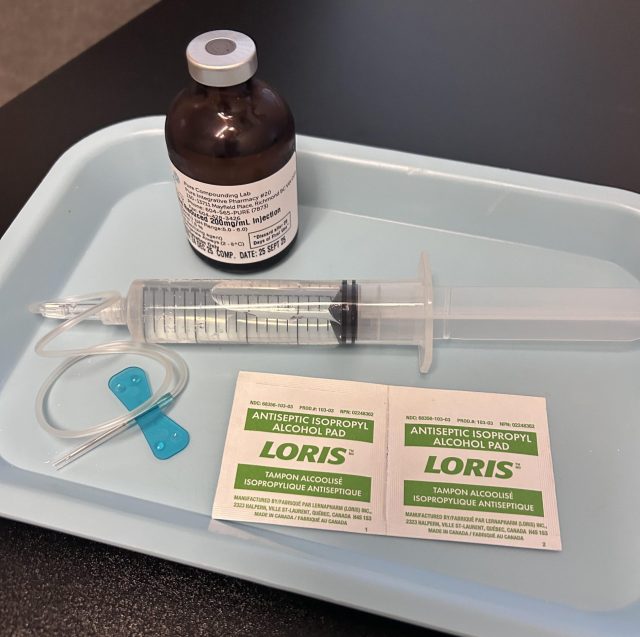
- Professional environment: Are supplies sterile, and do they follow standard injection safety practices?
- Simple follow-up: Do they schedule a check-in or at least provide clear post-visit instructions?
Common Mistakes and How to Avoid Them
The biggest mistake people make with glutathione injections is treating the outcome as “instant” and the plan as “universal.” Another common misstep is starting multiple new products at once (e.g., adding oral supplements, whitening serums, and dietary changes) so you can’t tell what helped—or what caused the side effects.
Here are practical mistakes to avoid:
- Skipping patch testing (for topical alternatives): Even if you’re doing injections, your overall routine might include new serums.
- Ignoring injection-site symptoms: Mild soreness can be normal; persistent swelling, hives, or worsening itching isn’t.
- Chasing high frequency: Doing more sessions than recommended “because it might work faster” can increase risk without improving predictability.
- Stopping baseline basics: If you stop sunscreen or change skincare aggressively, you’ll muddy the results.
- Not budgeting for follow-up: If you have a reaction, you may need medical input—factor that into your decision.
FAQ
Is glutathione injections proven to improve skin brightness?
Evidence for glutathione injections is mixed. Some people report appearance-related improvements, but it’s not the same as proven, consistent results for everyone. If you choose to try glutathione injections, treat it as an individualized experiment rather than a guaranteed skin-brightening treatment.
How long does it take to see results from glutathione injection courses?
Many people who notice changes describe a timeline around 2–4 weeks after starting a short course, but it varies widely by dose, session frequency, baseline skin routine, and overall lifestyle. If you see no meaningful change after a reasonable trial window and you’ve had no side effects, you still shouldn’t assume “it never works,” but you should avoid escalating intensity without clinician guidance.
What are the most common glutathione injections side effects?
Commonly reported side effects include injection-site soreness, mild swelling, redness, and temporary discomfort. Less common but more concerning reactions can include persistent itching, hives, or systemic symptoms—if those occur, stop the course and seek medical advice.
Can I combine glutathione injections with oral supplements or skincare?
Often, people combine glutathione injections with oral antioxidants or brightening skincare. The safest approach is to add changes gradually and disclose all supplements to the clinician administering the injections, so you can better track side effects and avoid interactions or compounded irritation.
Glutathione oral vs injections: which is better for women trying antioxidant support?
“Better” depends on your goals and risk tolerance. Oral glutathione is typically lower-risk and easier to stop, while injections can feel more direct but carry procedure-related side effects. If your priority is minimizing risk and controlling variables, oral or topical alternatives may be a more sensible starting point before considering injections.
A Practical 2-Week Experiment Framework
If you’re considering glutathione injections, a structured trial helps you avoid disappointment (or over-using a product). The goal of this 2-week plan is to track response and safety—not to “force” results.
Before you start (Day 0):
- Take 3–4 photos in consistent lighting (front/side, same camera distance) and note date/time.
- Write down baseline habits: sleep hours, sunscreen use, skincare routine, and any new supplements.
- Record expected schedule and the exact product details you were given (so you can verify consistency).
Week 1 (Days 1–7):
- Track injection-site reactions for 48 hours after your session (soreness, swelling, itching, bruising).
- Rate any subjective changes daily: energy, “skin tiredness,” and comfort.
- Don’t change multiple variables at once—keep skincare and sun exposure stable.
Week 2 (Days 8–14):
- Re-take photos on Day 8 and Day 14.
- If you’re not scheduled for a second injection in week 2, you can still evaluate whether any side effects linger and whether the “glow” is trending up, flat, or down.
- Decide on next steps: continue only if you had no concerning side effects and you’re seeing a reasonable trend—not a miracle.
Stop-and-check immediately if you get hives, significant swelling beyond the injection area, breathing discomfort, fever, or rapidly worsening symptoms. That’s not “normal soreness.”
About the Author
Lila Morgan, RN & Wellness Reviewer is a registered nurse who focuses on consumer-centered health content and harm-reduction guidance for women navigating wellness trends. She has reviewed appointment-based products, skincare regimens, and supplement protocols for clarity, safety messaging, and realistic expectations—especially where injection-based services are marketed online. This article is written in an objective, consumer-review tone and uses caution-first language because individual responses and risks vary.
Disclaimer: This is not medical advice and it doesn’t diagnose or treat conditions. If you have medical conditions, a history of allergies/reactions, are pregnant or breastfeeding, or take medications that could interact with supplements or procedures, speak with a qualified clinician before using glutathione injections.
Discussion